
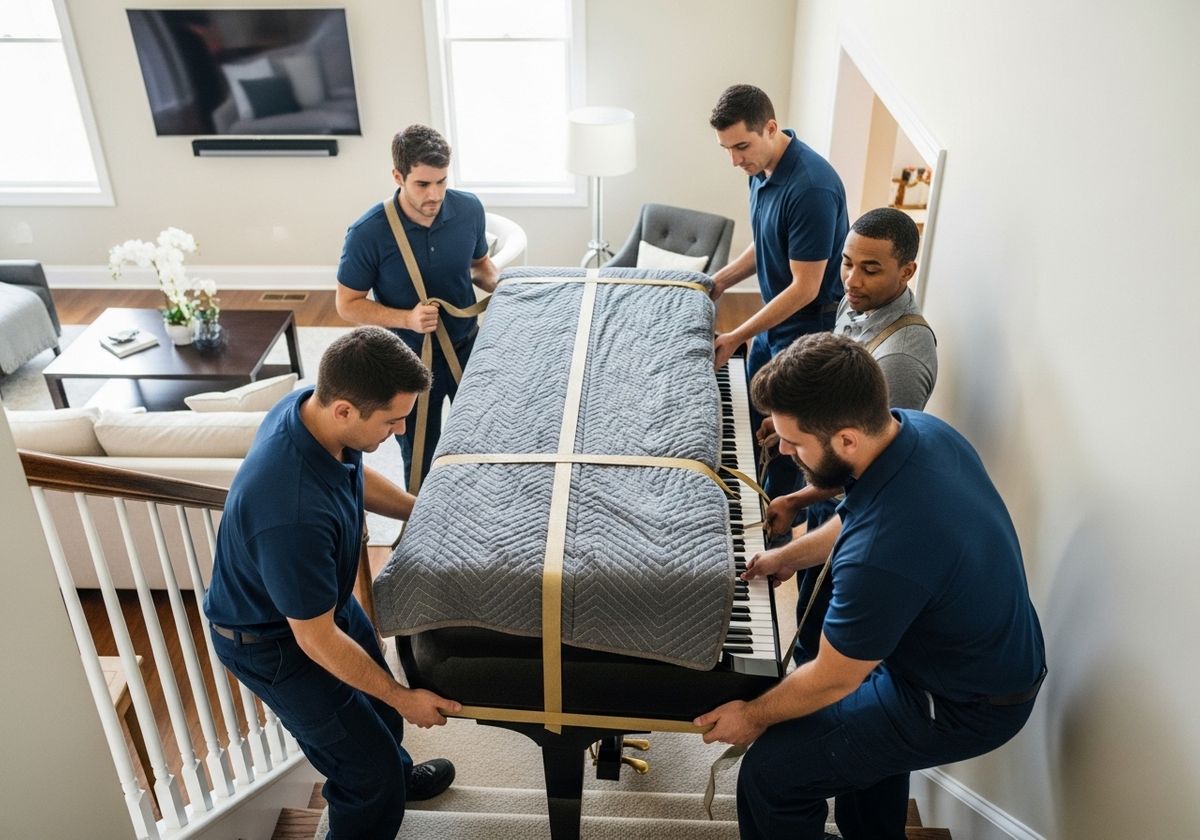
Moving a piano can be a daunting task. It's not just heavy; it's also delicate and requires special care to avoid damage. Whether you're moving across town or just rearranging rooms, understanding the nuances of piano moving is crucial. Many people search for professional residential movers for this very reason, but knowing some key tips can also empower you to make informed decisions and ensure a smooth process.
Planning and Preparation
Before you even think about lifting, planning is key. Assess the piano's dimensions and weight, and measure doorways, hallways, and stairwells. This will help you determine the best route and identify any potential obstacles. Gather the necessary equipment: heavy-duty moving blankets, straps, a piano dolly, and packing tape. Clear the path of any obstacles, such as furniture, rugs, or decorations. If you're in an apartment, check with your building management for any specific rules or restrictions regarding moving large items. Many apartment movers are familiar with these challenges and can offer valuable insights.
The Right Equipment
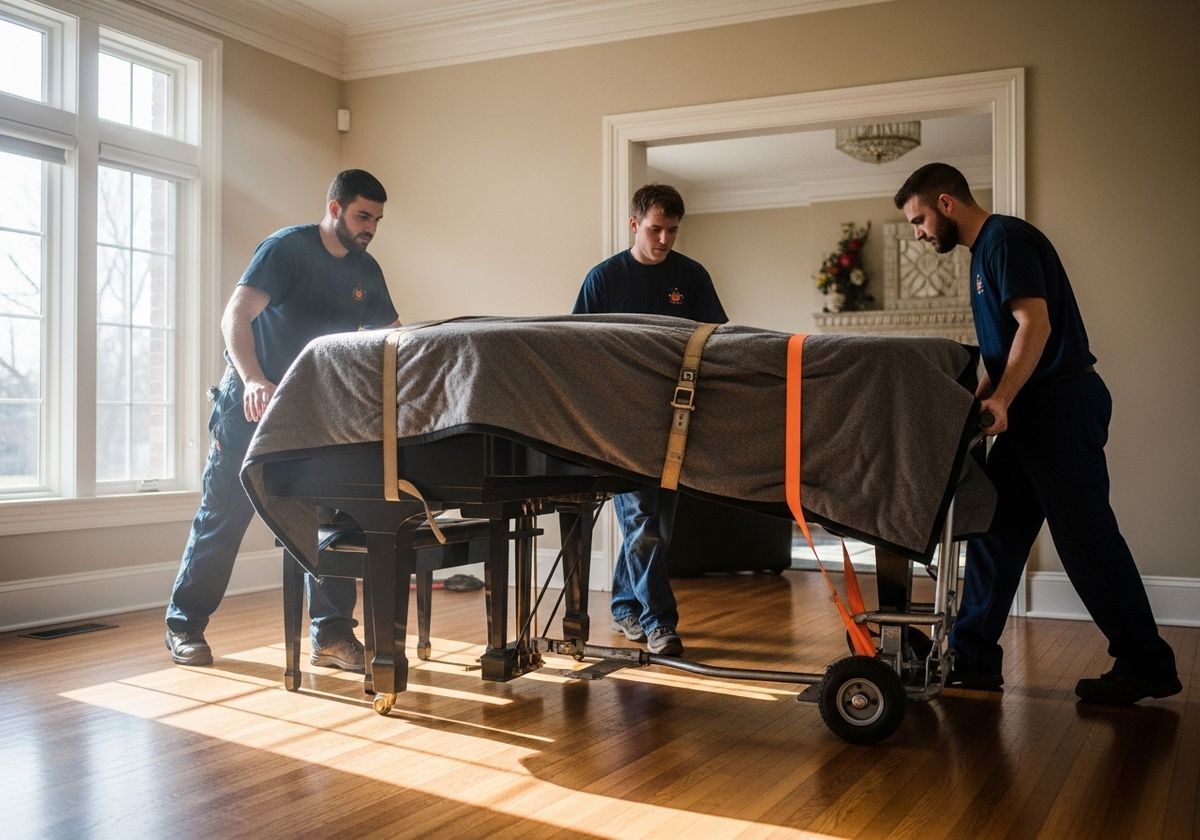
Having the right equipment is non-negotiable. A piano dolly with sturdy wheels is essential for moving the piano across flat surfaces. Moving blankets will protect the piano's finish from scratches and dings. Straps will help you secure the piano to the dolly and provide extra support when lifting. Don't skimp on quality, as cheap equipment can fail and cause damage to your piano or, worse, cause injury.

Protecting Your Piano
Wrap the piano thoroughly in moving blankets, securing them with packing tape. Pay special attention to corners and edges, as these are the most vulnerable areas. If possible, disassemble any detachable parts, such as the music stand or legs, and wrap them separately. Consider hiring packers and movers to ensure your piano is professionally protected and transported.
Lifting and Moving Techniques
Never attempt to lift a piano on your own. Enlist the help of several strong and capable individuals. Use proper lifting techniques: bend your knees, keep your back straight, and lift with your legs. Communicate clearly with your helpers to coordinate your movements. When navigating stairs, take it slow and steady, and use straps to control the piano's descent. Some pianos, especially grand pianos, require specialized equipment and expertise to move them safely.
Consider Professional Help
While it's possible to move a piano yourself, it's often best to leave it to the professionals. Residential movers who specialize in piano moving have the experience, equipment, and manpower to handle the job safely and efficiently. They can also provide insurance coverage in case of damage.
Beyond the Move: Setting Up
Once your piano is in its new location, allow it to acclimate to the room's temperature and humidity for several days before tuning it. Moving can affect a piano's tuning, so it's essential to have it professionally tuned after the move. While you're at it, consider other home installations that make your space complete.
Moving a piano requires careful planning, the right equipment, and a lot of muscle. While DIY solutions might seem appealing, the risk of damage and injury is significant. For a truly seamless experience, consider entrusting your piano move to professionals like Lempira Movers. We understand the intricacies of moving valuable items and are committed to providing a stress-free relocation experience.